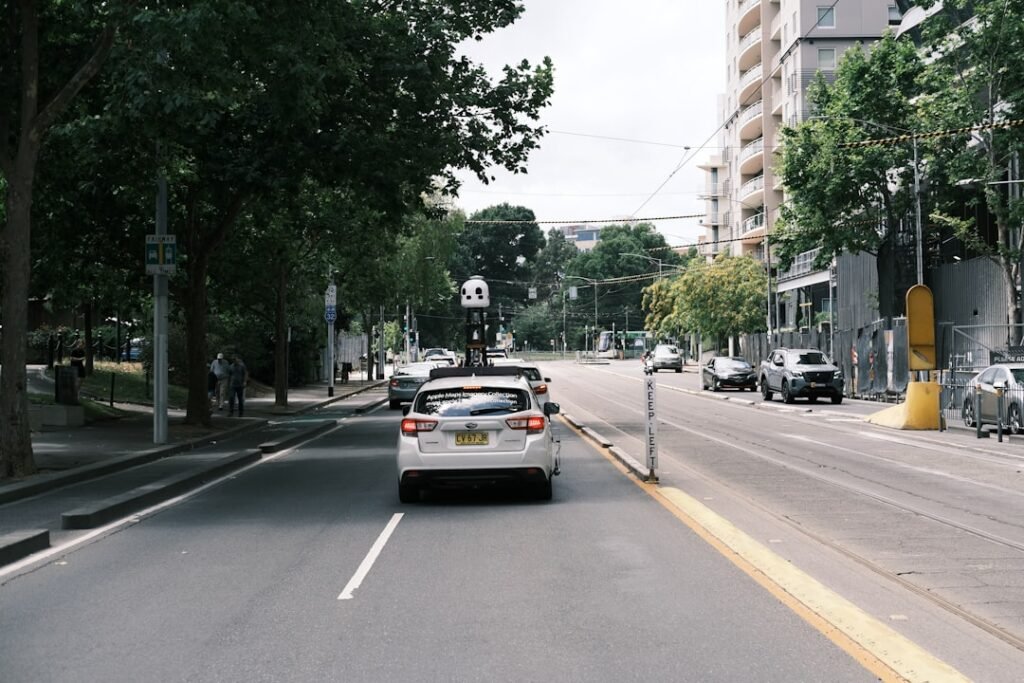
The driverless car spent a decade as a promise. In 2026 it is a line item in city budgets. Waymo is accelerating its driverless ride expansion into new metros this year, rivals are scaling behind it, and for millions of riders a car with no one in the front seat has become an ordinary Tuesday.
Why 2026 Is the Tipping Point
Three barriers fell at once. Safety data matured — operators now publish millions of driverless miles with incident rates below human averages, giving regulators cover to approve expansion. Hardware costs dropped as sensor suites moved from custom builds to volume production. And rider trust crossed the threshold: in launched cities, repeat usage now looks like normal ride-hailing behavior, not novelty tourism.
What a Ride Looks Like Now
- Pricing sits at or slightly below traditional ride-hailing in most launched markets.
- Wait times in dense zones now rival human-driven services.
- Coverage keeps widening from downtown cores to airports and suburbs — the airport run is the profit engine.
- Night service is a quiet winner, with strong demand in hours when human drivers are scarce.
The Ripple Effects
Insurers are rewriting urban policies around falling accident rates. Parking demand is softening in robotaxi-dense districts as some households drop a second car. Meanwhile, ride-hail drivers face real displacement pressure — cities and operators are negotiating transition programs, and the labor question will shadow every expansion announcement this year.
What to Watch Next
Highway driving, harsh-weather cities, and freight are the next frontiers. The technical consensus is that snow and complex highways are solved in prototypes and now need validation miles. If 2026 ends with driverless service in a snowbelt city, the last serious geographic objection disappears — and the robotaxi stops being a coastal curiosity and becomes national infrastructure.



Leave a Reply