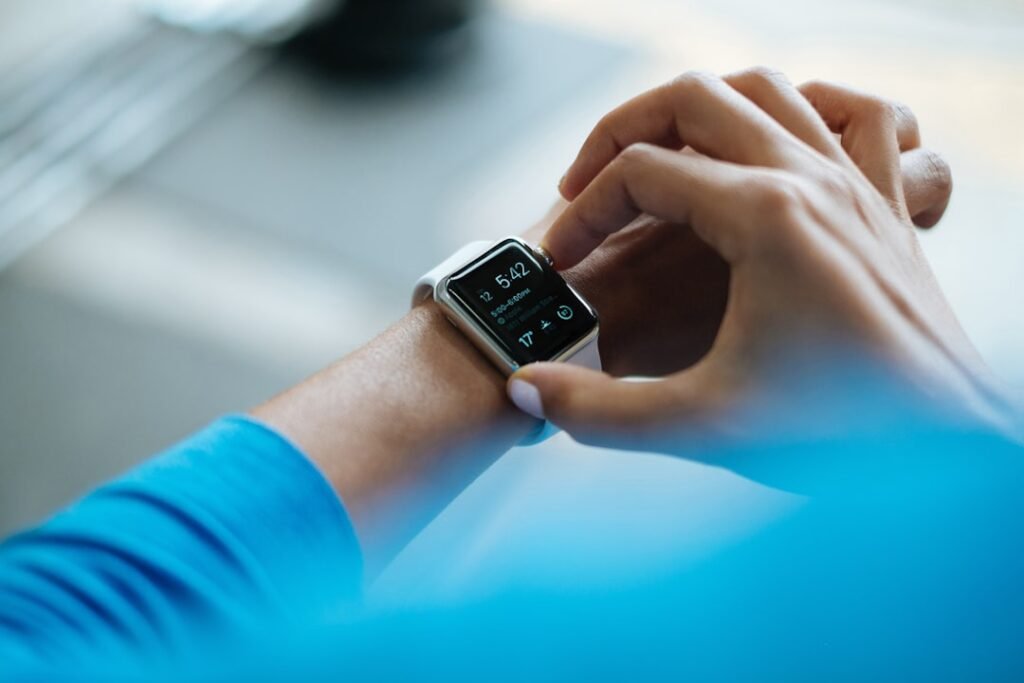
Professional athletes generate more data per match than a small business does in a month: GPS load, heart-rate variability, sleep quality, jump counts, collision forces. What began as sports-science curiosity is now core infrastructure — and a genuine power struggle.
Training on evidence, not folklore
Load management used to mean a coach’s intuition. Now it means dashboards that flag injury risk before the athlete feels it. Clubs that use the data well report fewer soft-tissue injuries and better late-season availability — which, across a long campaign, is worth more than any single signing. Recovery has become a discipline of its own, with sleep tracked as seriously as sprint speed.
The scouting revolution
Recruitment departments increasingly buy athletes the way quant funds buy assets: on underlying signals rather than highlight reels. Physical data from wearables, combined with event data from matches, lets clubs project how a player’s engine will translate to a different league’s tempo. The inefficiency being exploited isn’t talent — it’s durability.
Who owns the numbers?
Here’s the unresolved fight: the athlete generates the data, the club collects it, the league licenses it, and betting markets want it. Player unions across sports have made biometric data a bargaining-table issue — who can see it, who can sell it, and whether it can be used against a player in contract talks. Expect data clauses to become standard in athlete contracts the way image rights did a generation ago.
- Injury-prediction models are moving from elite clubs to mid-tier teams as costs fall.
- Betting integrity rules increasingly restrict real-time biometric feeds.
- The next frontier: continuous glucose and hydration monitoring in match play.
Sport has always measured results. Now it measures the body producing them — and everyone wants a piece of the measurement.


Leave a Reply