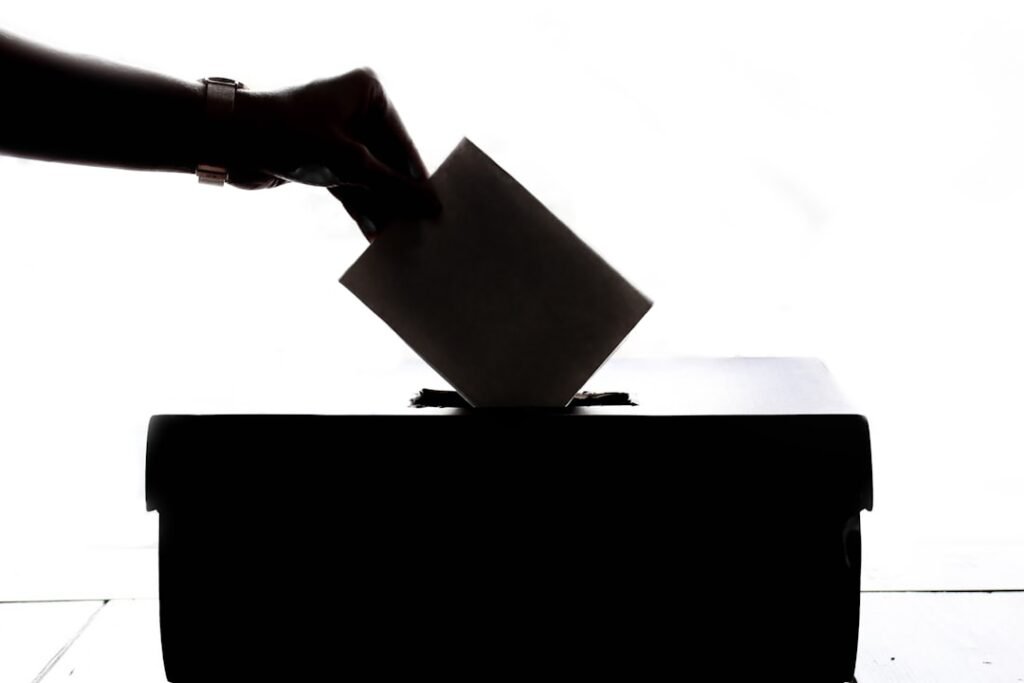
The 2026 election cycle carries a first: artificial intelligence is on both sides of the ballot. AI companies are spending on elections as their regulatory stakes soar, while AI tools themselves — synthetic voices, fabricated video, micro-targeted persuasion — are reshaping how campaigns reach voters. Democracy’s newest stress test is running in real time.
The Money Side
With governments drafting rules on model safety, data use, and agent accountability, AI firms have discovered political spending the way every powerful industry before them did. Lobbying budgets, PAC contributions, and candidate endorsements from AI-aligned money are now tracked as their own category — and the sums reported this cycle rival established tech lobbying at its peak.
The Content Side
- Deepfakes are cheap: convincing fake audio of a candidate costs almost nothing to produce and spreads faster than corrections.
- Micro-targeting sharpened: AI writes thousands of ad variants tuned to individual anxieties.
- Rules lag: some states require AI-content disclosure in political ads; enforcement remains thin and inconsistent.
- Platforms patch: labeling and provenance standards help, but coverage is partial and reactive.
A Voter’s Defense Kit
Treat explosive last-minute audio or video as unverified until major outlets confirm it — the “October surprise” deepfake is designed to outrun fact-checking. Check whether the clip appears on the candidate’s official channels. Reverse-search suspicious images. And be most skeptical of content that perfectly confirms what you already believe; that is what the targeting engine optimizes for.
The Stakes Beyond November
Whoever writes AI rules next year will shape the technology’s trajectory for a generation, which is exactly why the industry is spending now. The healthiest outcome of the first AI election would be a boring one — elections decided by voters who learned, quickly, to ask of everything they see online: who made this, and why am I seeing it?

Leave a Reply