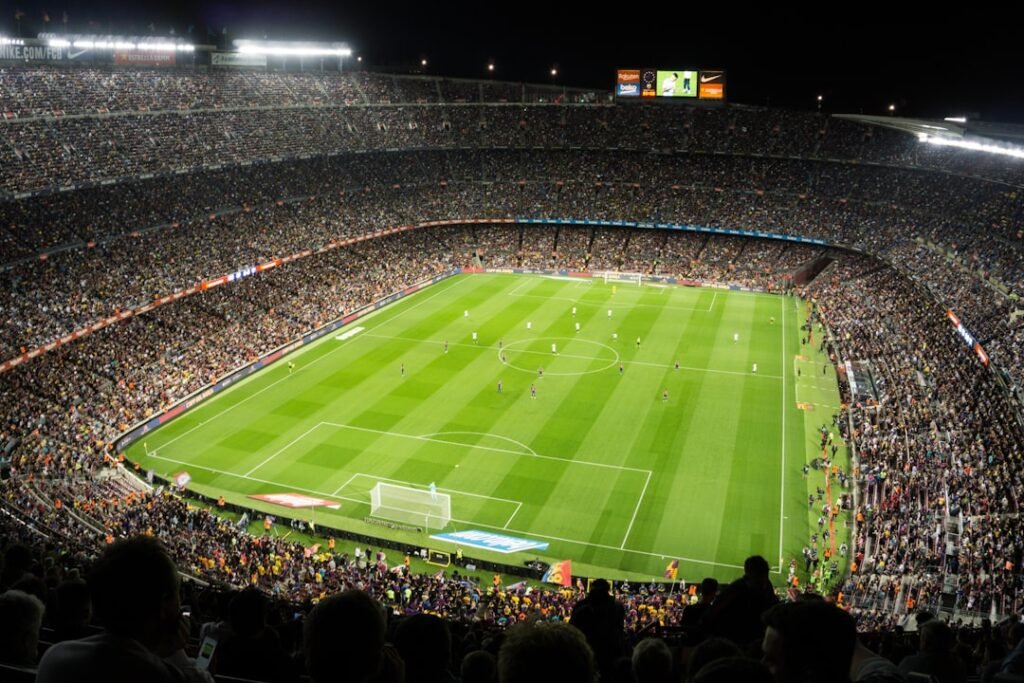
The 2026 World Cup across the United States, Mexico, and Canada is the largest football tournament ever staged: 48 teams, 104 matches, 16 host cities spread over a continent. Whatever the final delivers, the format itself is already the story.
More teams, new math
Expanding from 32 to 48 teams meant a new group-stage structure — twelve groups of four, with the top two plus the best third-placed sides advancing to a round of 32. Critics feared meaningless matches; defenders argued more nations at the table grows the global game. The truth lands somewhere in between: more federations get tournament experience and funding visibility, while heavyweight sides face a longer road with more knockout rounds and more chances for an upset.
The logistics of a continental tournament
Distances between host cities dwarf anything in World Cup history. Squads manage flight fatigue, time zones, and dramatic climate differences — from humid coastal heat to high-altitude venues. Sports-science staff have become as decisive as tactical coaches: recovery protocols, sleep planning, and rotation strategy now shape who survives the calendar.
The money is unprecedented
More matches means more broadcast inventory, more sponsorship slots, and record revenue projections. Host cities compete for the economic halo of team base camps and fan festivals. For North American football specifically, the tournament is a once-in-a-generation accelerant — new stadium standards, expanded youth pipelines, and a broadcast audience the domestic leagues hope to keep.
- Best-third qualification reshapes group-stage tactics — goal difference matters from match one.
- Squad depth beats star power in a 104-match, high-travel format.
- Watch which debutant nations convert the exposure into lasting football investment.
Every World Cup format change was controversial before it became normal. The 48-team era has arrived; the game is adjusting in real time.


Leave a Reply