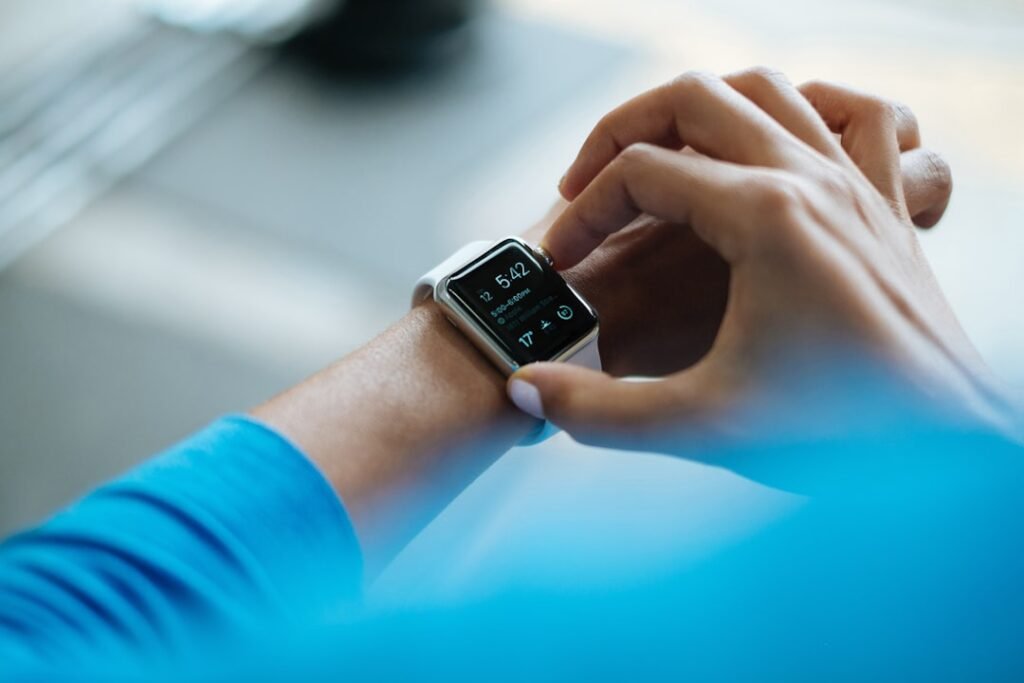
The hottest number in health this year is not your weight or your steps. It is your biological age — the estimate your watch, ring, or patch now produces from sleep, heart rate variability, glucose, and activity data. Longevity has jumped from billionaire biohacker niche to mainstream obsession, and wearables are the on-ramp: aging reframed as a dashboard you can influence.
What the Devices Track Now
- Sleep architecture: deep and REM staging with coaching that measurably improves scores over months.
- Heart rate variability: the recovery metric that flags stress, overtraining, and oncoming illness days early.
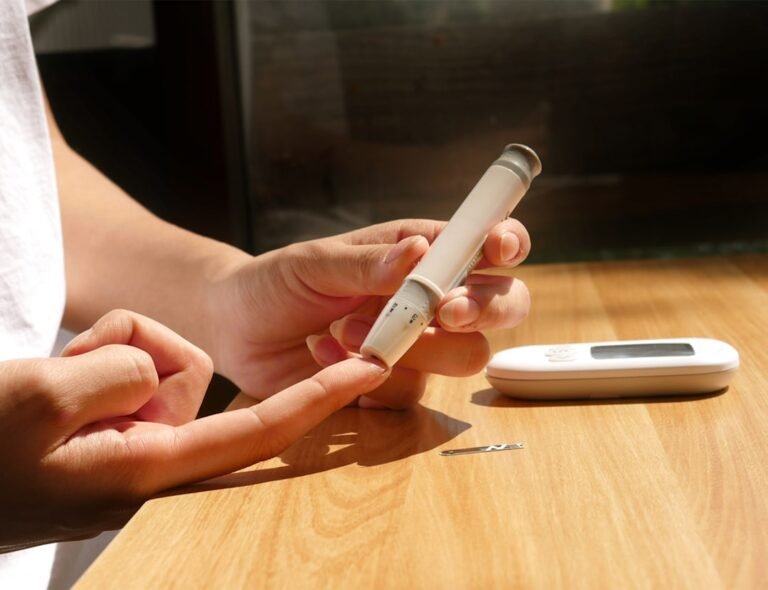
- Glucose: continuous monitors, once diabetic-only, now sold to healthy users chasing metabolic stability.
- Early warning: multi-signal changes that prompt users to seek care before symptoms are obvious.
What Science Supports — and What It Doesn’t
The strong evidence is boring and powerful: sleep quality, daily activity, VO2 max, and metabolic health predict lifespan better than almost anything else, and wearables genuinely help people improve all four. The weak evidence is the sexy part — consumer “biological age” scores use proprietary formulas that vary wildly between devices. Treat the trend line as meaningful and the absolute number as entertainment.
The AI Layer
2026’s shift is from tracking to coaching. AI health agents now read your streams and issue daily, specific guidance — when to train hard, when to rest, what dinner did to your glucose overnight. The best users treat it as a feedback loop: measure, adjust, re-measure. The worst develop health anxiety from every dip in a score; if the dashboard stresses you more than it helps, that is itself a health signal.
The Sensible Playbook
Pick one device and wear it consistently. Chase the boring wins — consistent sleep, daily movement, strength twice a week, protein. Use trends, ignore single days, and bring anomalies to a doctor rather than a forum. Longevity tech works best not as a moonshot but as a mirror: it cannot yet slow aging directly, but it is remarkably good at showing you, every morning, whether yesterday helped.


Leave a Reply