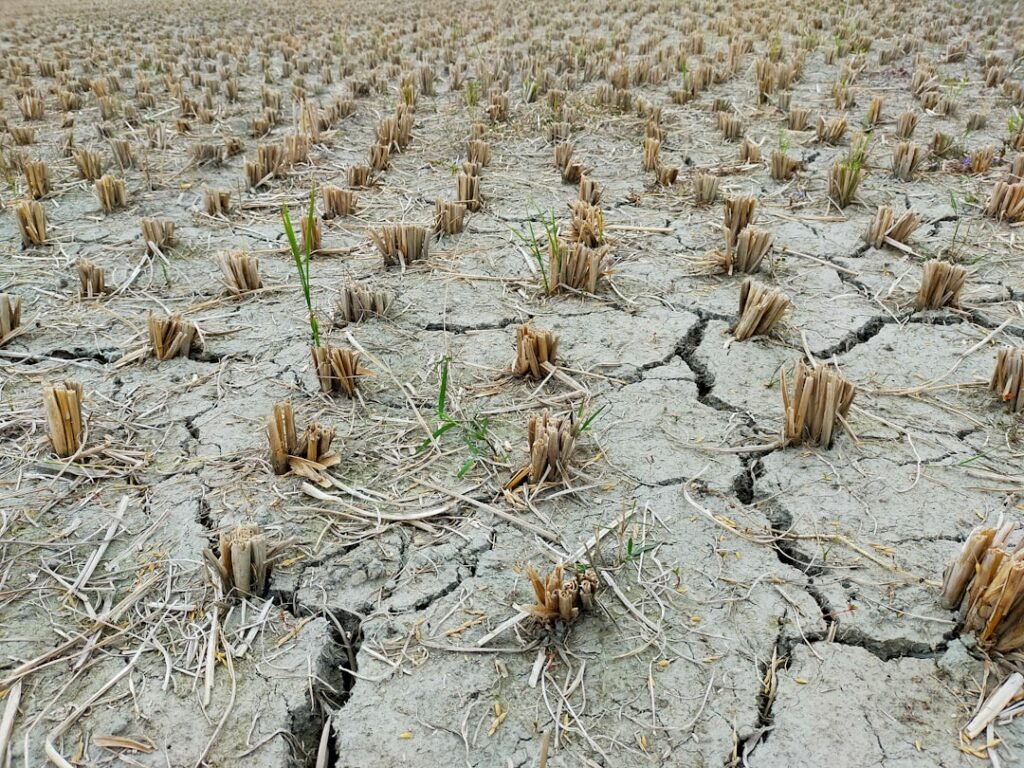
The popular image of climate migration is a border crisis. The reality is quieter and much bigger: most climate-driven movement happens inside countries, as people move from failing farmland to cities, from flood-prone coasts to higher ground, from heat-stressed regions to livable ones. It rarely makes headlines, but it is steadily redrawing where humanity lives.
The internal migration wave
Research bodies have long projected that climate impacts could push well over a hundred million people to move within their own countries by mid-century, concentrated in South Asia, sub-Saharan Africa, and Latin America. Droughts shrink harvests; heat makes outdoor labor dangerous; floods destroy assets that families spent generations building. Migration is not a failure to adapt — it often is the adaptation.
Cities are the destination
The pressure lands on cities, many of which face their own climate exposure. A megacity absorbing rural migrants while managing water stress and coastal flooding is the defining urban challenge of this era. The cities that plan for arrival — housing, transit, informal-work integration — will convert migration into growth. Those that don’t will convert it into crisis.
The receiving-region opportunity
Meanwhile, some regions are marketing themselves as climate havens — places with water, moderate temperatures, and shrinking populations that need workers. The idea of “climate destination” planning has moved from academic papers to municipal strategy documents. Expect competition for climate migrants, not just resistance to them.
- Insurance withdrawal from high-risk zones is an early signal of where movement starts.
- Water access increasingly determines which regions can receive population growth.
- Legal frameworks still lag: climate displacement has no formal refugee status in international law.
The world map of 2050 won’t just show different borders of risk — it will show different centers of gravity. The reshuffle has already begun.

Leave a Reply